The Long Way Round: Driving from London to Italy (and Why I’d Do It Again)
When you get a new car you want to drive it loads. In my case I took that slightly OTT and decided to drive from London to Italy and back again.
Two days there. Two days back. France, Switzerland, Liechtenstein, Italy. A mix of toll roads, mountain passes, medieval towns and a €50 tunnel through Mont Blanc.
It didn’t start smoothly. But that’s kind of the point.
Because this wasn’t just about getting to Italy. It was about taking the long way round.
Flying would’ve been quicker. Cheaper maybe. Easier on paper.
But driving gives you something flights never will.
Freedom.
You stop where you want. Change direction last minute. Take the slower road because it looks better on the map. Pull into a random village you’ve never heard of. Walk around a lake. Sit in a national forest. Stay an extra night because you can.
No baggage checks. No rushing through airports. No being told when to board or when to sit down.
If you’re a remote worker, even better. Why not stay somewhere different for a week? Why not pivot halfway through and head somewhere you hadn’t planned?
You get time to think. Time for podcasts. Time for music. Time to sing at full volume without caring who hears you.
I left North London on a Saturday morning aiming to reach the Eurotunnel by 1:30pm. In theory, more than enough time.
In reality, Christmas traffic.
From the motorway exit to check-in took over an hour. Normally it takes about five minutes. Traffic was backed up well before the entrance, and what should have been a simple drive-through turned into a slow crawl of cars inching forward towards the terminal.
Eventually we reached the check-in point, where staff apologised for the delays and moved us onto the next available train. It wasn’t a disaster, but it was a good early reminder that even well-organised trips benefit from a bit of flexibility.
Lesson one: during peak travel periods, always build in some buffer time.
Customs checks were fairly quick and random. After that, we joined another queue before boarding the train itself, which took around thirty minutes. Watching the line of cars slowly funnel into the loading lanes gives you a moment to realise just how many people are making the same crossing.
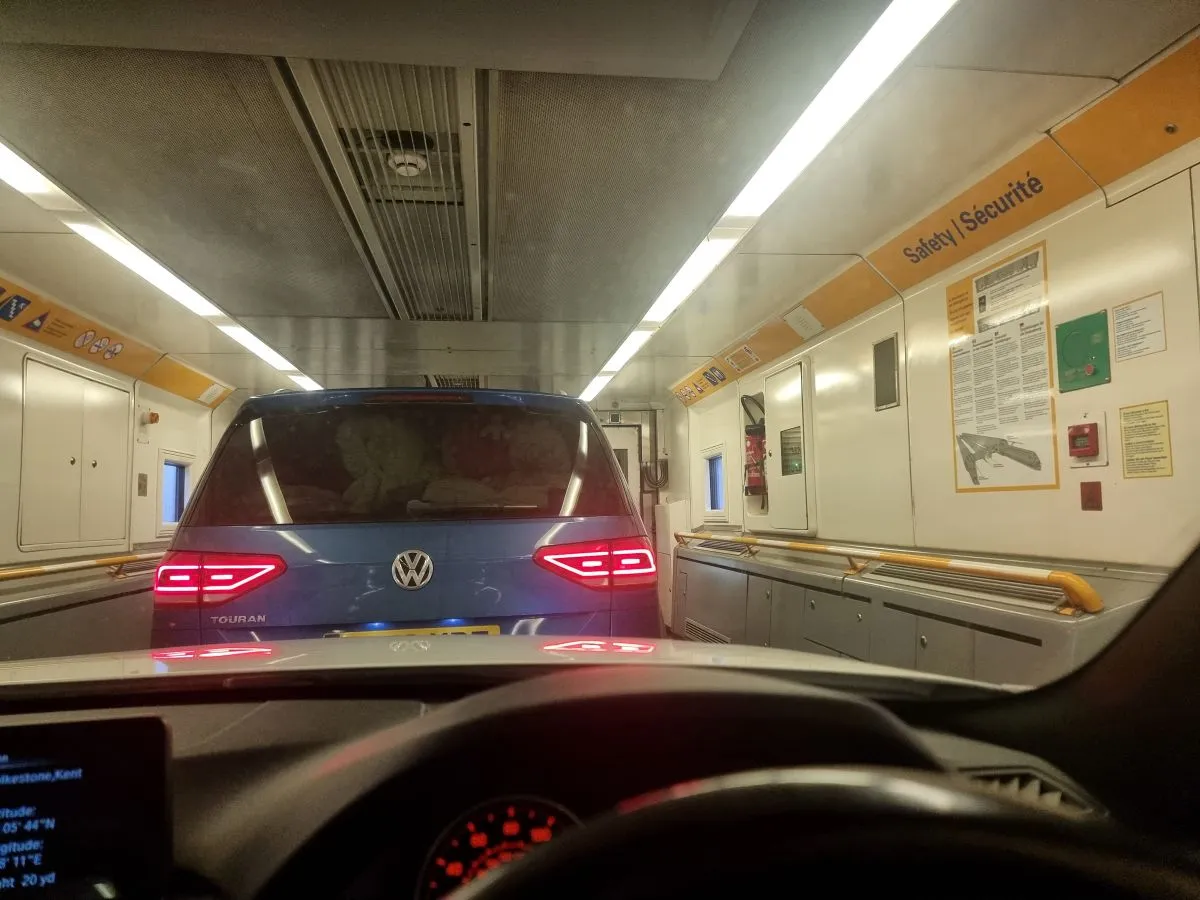
If you’ve never driven onto the Eurotunnel train before, the experience is slightly surreal. Cars are directed forward in tight rows, bumper to bumper, until the carriage is full. Larger vehicles like SUVs fit surprisingly snugly into the space.
Once parked, it’s engine off, handbrake on, and windows halfway down.
Then the doors close and, just like that, you’re travelling beneath the English Channel.
About 35 minutes later you emerge on the other side, 70 metres under the sea behind you and France suddenly ahead.
You can step out of the car during the journey, stretch your legs, and there are toilets onboard if you need them. The crossing feels quicker than you expect, and before long you’re back behind the wheel again, driving out of the train and onto French roads. Ensuring to remember that roundabouts are now backwards.
From Calais we drove roughly six hours south to Troyes.
The drive itself is surprisingly straightforward. Once you’re onto the French motorway network, the roads are smooth, the signage is clear, and long stretches of countryside pass by with very little interruption.
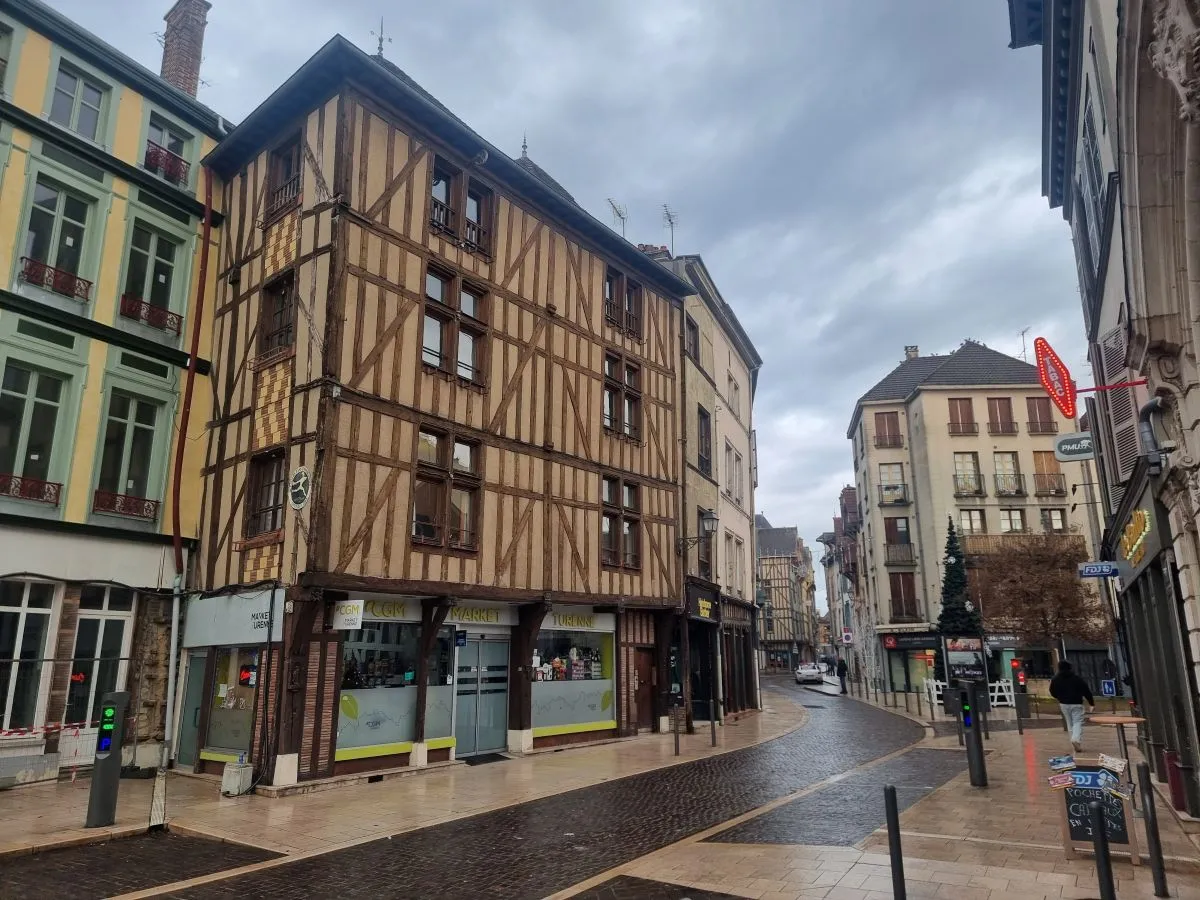
Troyes makes an excellent first stop on a journey like this. The town is known for its medieval timber-framed buildings, narrow streets, and relaxed pace that feels very different from the larger cities nearby.
It sits in the heart of the Champagne region and has the sort of quiet charm that makes you wonder why more people don’t stop there.
Most travellers heading through northern France focus on Paris, but Troyes feels like a place you discover rather than plan for.
Exactly the kind of place you’re more likely to find when you drive rather than fly.
No items found.
Day 2: Troyes to Turin to Bergamo
The next morning we headed to Turin, around five hours. Passing through the Mont Blac tunnel.
The Mont Blanc Tunnel cost €50, the most expensive single toll of the trip, but emerging out the other side into the Alps is something I won’t forget.
I didn’t expect much from Turin... I was wrong.
It’s a former capital of Italy and it feels grand in a way that’s hard to explain. Elegant architecture. Wide boulevards. Arcaded streets. Slightly French in influence. Underrated is probably the right word.
Other reasons why Turin is a notable city worth visiting:
1. The Birthplace of Fiat and Italian Industry
2. The Mole Antonelliana (Turin’s Icon)
3. Chocolate and the Famous “Gianduja”
4. Coffee Culture and Historic Cafés
5. The Shroud of Turin
After Turin we took non-toll roads to Bergamo, about three hours. Slower, but scenic and cheaper.
And here’s something I noticed:
The toll roads in Europe are noticeably smoother. You can feel where the money goes. They’re maintained better. The non-toll roads feel much closer to what we’re used to in the UK.
We mixed routes intentionally. Saved money, added time. But was worth it.
Wherever You Stop in Italy
One thing you quickly realise when travelling through Italy is that almost anywhere you stop will have something worth exploring.
In our case, we paused in Bergamo, a city that feels like two places in one, the historic hilltop old town and the modern city below. Even a short stop here can easily turn into an afternoon of wandering through narrow streets, climbing viewpoints, and finding small cafés tucked into old squares.
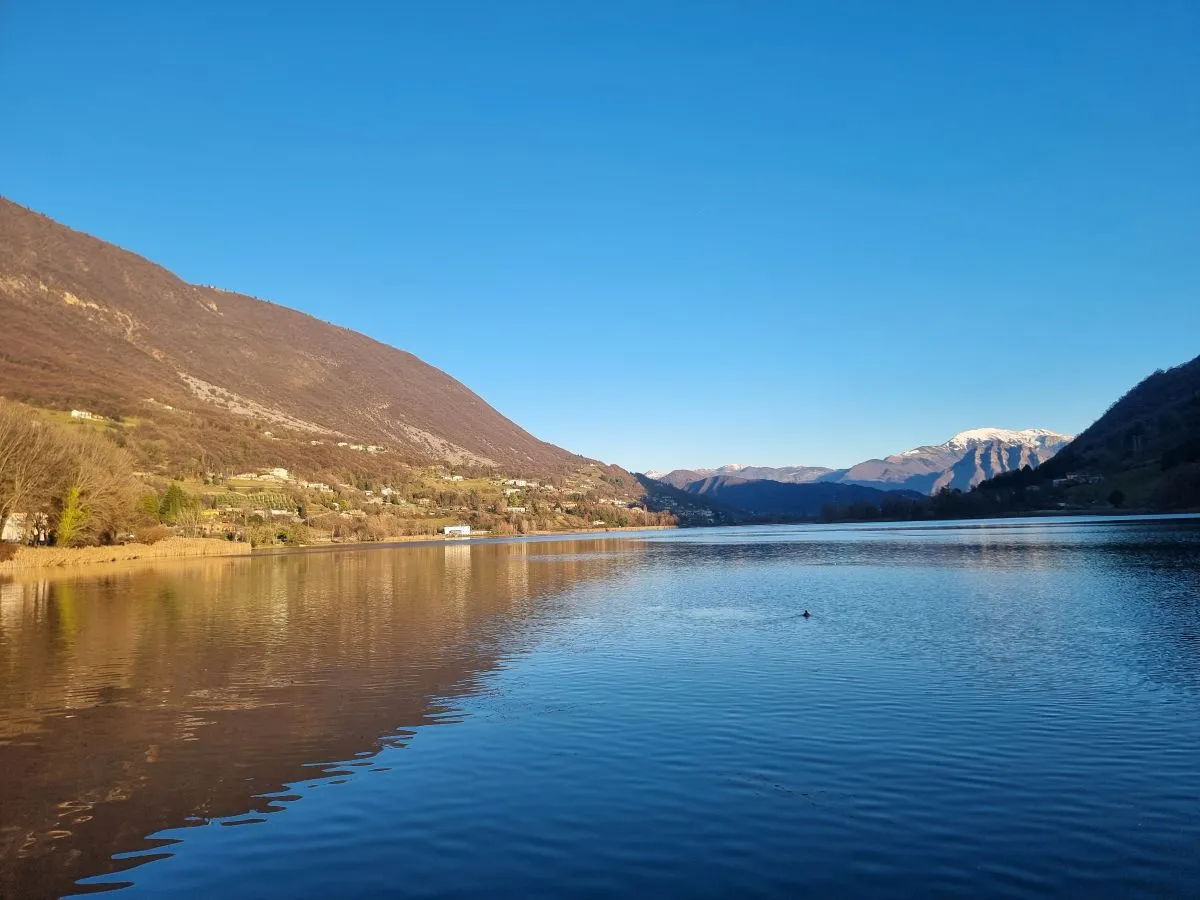
Driving back, we went via Switzerland and Liechtenstein, passing near Lake Como.
That stretch alone made the entire trip worth it.
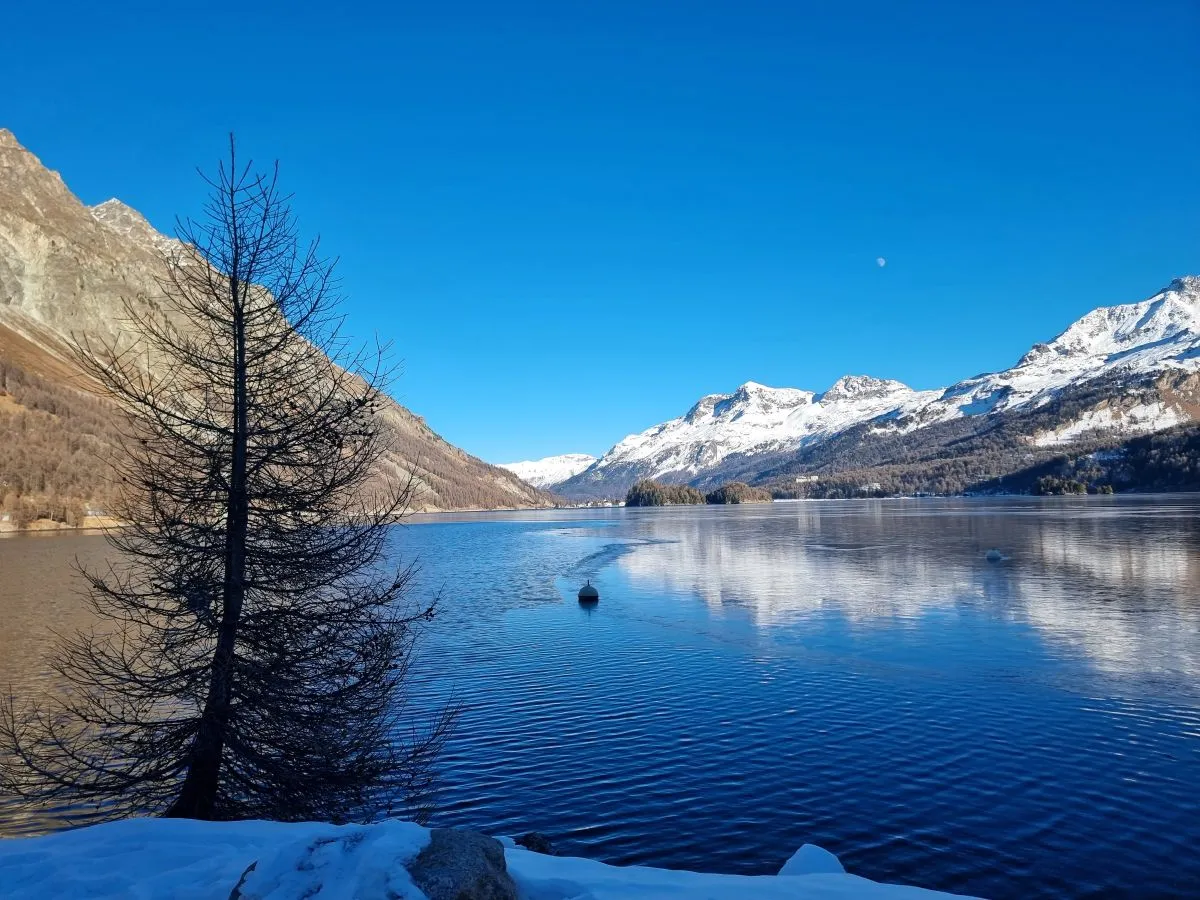
The mountains get bigger. The roads carve through valleys. Tunnels cut through rock. The air feels different.
From Bergamo we began the journey back north towards France. The drive to Strasbourg took around six hours, gradually leaving the Italian landscape behind as the scenery shifted once again into the quieter countryside of eastern France.
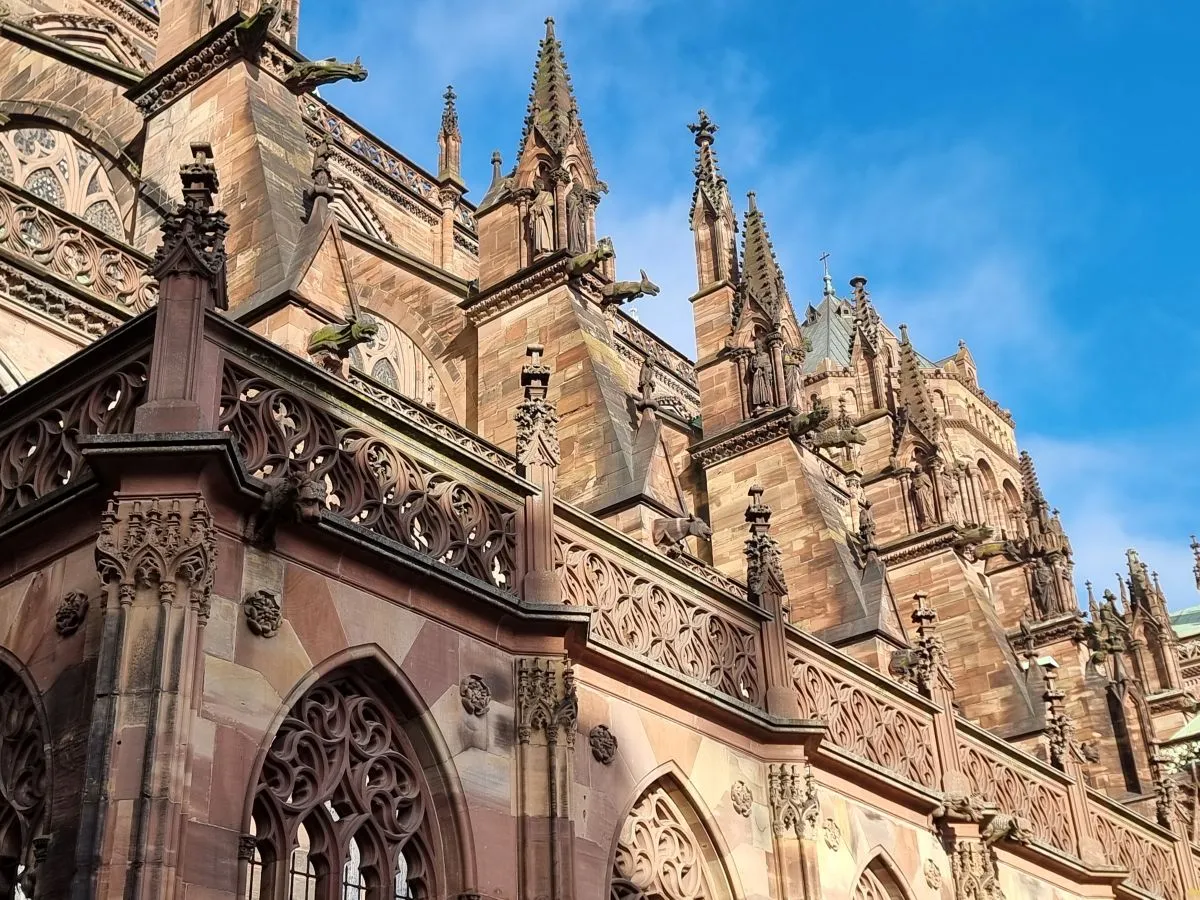
Strasbourg makes another excellent stop on a trip like this. The city feels relaxed and easy to explore, with its historic centre full of timber-framed houses, narrow streets, and canals winding through the old town. Walking through the area around La Petite France almost feels like stepping into a different era, especially in the evening when the streets begin to quiet down.
After Strasbourg we continued on to Paris, arriving on New Year’s Eve.
It felt like a fitting way to close the loop on the journey. After days of driving through small towns, mountain roads, and quieter cities, suddenly finding ourselves in one of the world’s most iconic capitals on the final night of the year felt both surreal and perfectly timed.
From there, the final leg was simple. Paris back to Calais, the Eurotunnel once again, and then the familiar drive home.
Back under the Channel. Back to the UK. Back to London.
How Much Does It Cost to Drive from London to Italy?
Fuel:
~£80 from the UK (north London) to Troyes ~£80 from Troyes to Bergamo Around £65–£80 twice on the way back
Rough total: £300–£350 in fuel (2.0 litre diesel).
Tolls:
Around 15 in total
Most between €10–€25
Mont Blanc Tunnel: €50
We deliberately mixed toll and non-toll routes. If you stick purely to toll motorways, you’ll get there faster, but you’ll pay for it.
What It’s Like Driving in Europe
One of the things you notice almost immediately after leaving the UK is how different the driving experience feels.
The roads are generally smoother, especially once you’re on the toll motorways that run across much of France and Italy. Long stretches of well-maintained road make it easy to cover distance without the constant stop-start rhythm that can happen on busy UK motorways.
Signage is also clear and consistent. Major cities and routes are well marked, which makes navigating across regions surprisingly straightforward even when you’re covering hundreds of miles in a day.
Another noticeable difference is lane discipline. Drivers tend to keep to the right unless overtaking, which helps traffic flow more smoothly and makes long motorway journeys feel calmer and more predictable.
Overall, it feels like the road network is designed with long-distance travel in mind. Once you settle into the rhythm of it, the driving becomes part of the experience rather than just a way to reach the next destination.
The contrast is noticeable almost immediately after leaving the UK.
Things I Didn’t Plan For
Rain.
My windscreen wipers deciding that now was the time to give up.
Last-minute hotel bookings taking longer than expected because parking in European city centres isn’t always straightforward.
Fatigue on longer stretches, six hours behind the wheel is fine if you love driving, less fine if you don’t.
None of it was dramatic. But it’s worth thinking about.
Should You Drive to Italy or Fly?
Drive if:
You love driving.
You value flexibility.
You have a few extra days.
You enjoy exploring places you’d never intentionally book.
You work remotely and can extend your stay.
Fly if:
You’re short on time.
You only care about your destination.
Long drives drain you.
There isn’t a right answer. It depends on the kind of traveller you are, the experience you want and the resources at your disposal.
Why I’d Do It Again
Because exploration doesn’t happen on autopilot.
It happens when you take the slower road. When you stop somewhere that wasn’t on your original plan. When you drive through a town you can’t pronounce and decide to park anyway.
Flying gets you there. Driving shows you everything in between.
We explored medieval streets in Troyes, stood in unexpected grandeur in Turin, crossed mountain passes near Lake Como, and arrived in Paris on New Year’s Eve without ever once feeling rushed.
The journey became the experience.
And that’s what this was really about.
Not efficiency.
Not optimisation.
Exploration.
Comments
If you wish to engage with this blog post and leave a comment please sign in with your Google account. By signing in with your email, you agree to receive newsletters and updates from us. We value your privacy and will not spam you, sell, or forward your details to anyone. You can unsubscribe at any time using the link provided in our emails.
Thank you! Your submission has been received!
Oops! Something went wrong while submitting the form.